Skip to Content
  Do you want to learn about the Vacuum extraction ?     See more

Using Kiwi disposable vacuum extractors to decrease obstetric perineal injury and reduce episiotomy rates.


Kiwi Omni 5015G  Omni 5015C

With proficiency, it easily manages various fetal head positions—including OA, OT, and OP—significantly reducing episiotomy rates and alleviating maternal suffering.

It is applicable for a high/floating fetal head during cesarean section, facilitating smooth fetal extraction

Vaginal delivery casesC-sections cases

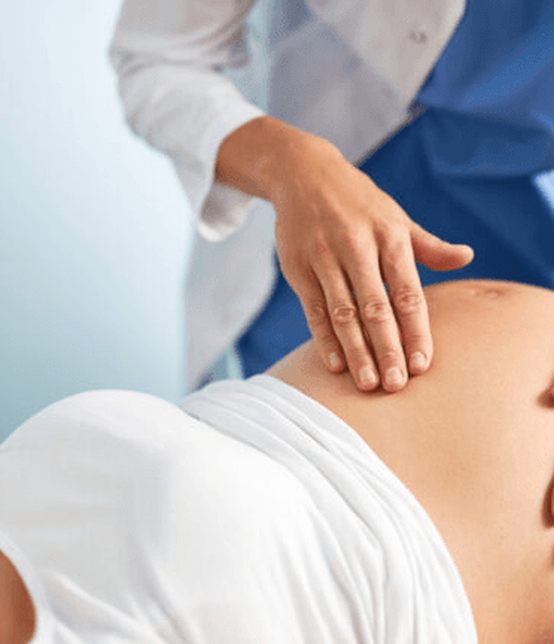
Obstetrician examining a pregnant woman before vacuum-assisted delivery

Product Portfolio

Innovative design, professional training—ensuring peace of mind in every procedure.

Kiwi® Disposable Vacuum Extractor

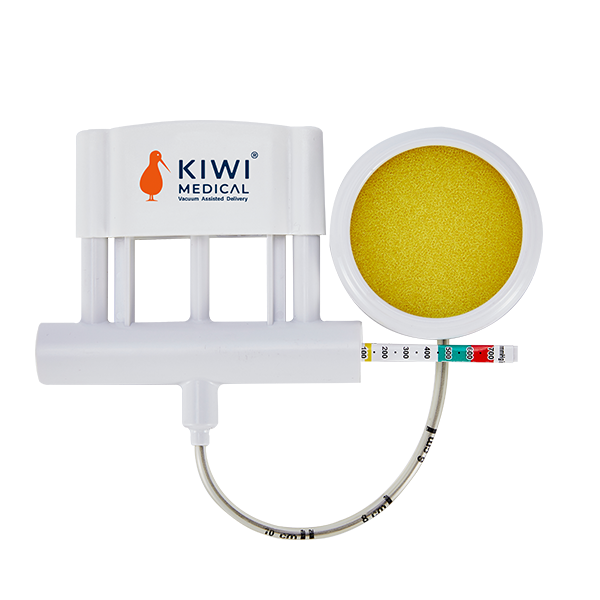
Kiwi Omni 5015G

Kiwi Omni 5015G disposable vacuum extractor

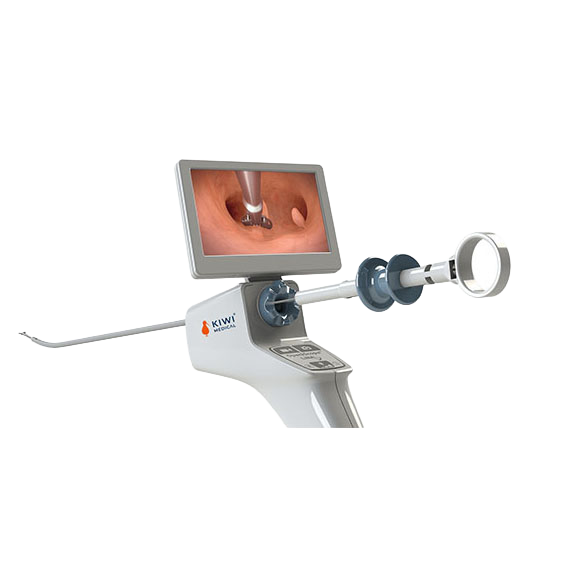
Single-use hysteroscope


Single-use hysteroscope

Lucy and Lucy's Mom 

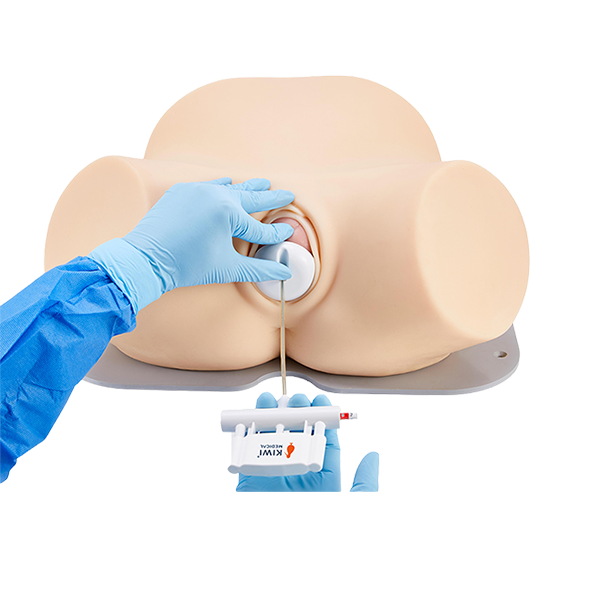
Instrumental Delivery Birth Simulator

Lucy and Lucy's Mom instrumental delivery birth simulator

"From 2009 to 2026, we have been dedicated to the promotion and clinical training of the Kiwi® Disposable Vacuum Extractor."


Advancing safer childbirth with every training session.

More details

200+ Hospitals


Choose Kiwi® Omni 5015G

Explore and master superior midwifery techniques

10000+


10,000+ Doctors Trained

Empowering more doctors to master Kiwi® midwifery skills through clinical training.

120000+


120,000+ Annual Cases   Ensuring Safe Delivery for Over 120,000 Mothers Every Year

Through our training, we aim to empower more doctors to master the Kiwi® Omni 5015G, ultimately helping more mothers alleviate pain and experience a safe delivery.

Introduction to Kiwi® Assisted Delivery Technology


Introduction

The Kiwi® vacuum extractor was invented by the New Zealand obstetrician, Professor Aldo Vacca, and was commercially launched by Clinical Innovations (CI) in the United States in 1999. In 2009, our founder introduced this technology to China, initiating its localized promotion. A comprehensive nationwide roll-out began in March 2015, through which we have provided training to over 10,000 physician training attendances to date. Following the expiration of CI's patents after 2020, our company acquired the exclusive ownership of the 'Kiwi' trademark in China. Since then, we have embarked on manufacturing an upgraded version of the Kiwi® disposable vacuum-assisted fetal head extraction device. Driven by continuous innovation, we are now proud to announce that the all-new, next-generation Kiwi® disposable vacuum extractor is coming soon.

Vacuum extraction is a time-honored routine in operative obstetrics, but it truly became a dominant method after Aldo Vacca invented Kiwi® in 1999. It remains a favorite among obstetricians because it is convenient to use, easy to master, and gentle on both mother and baby
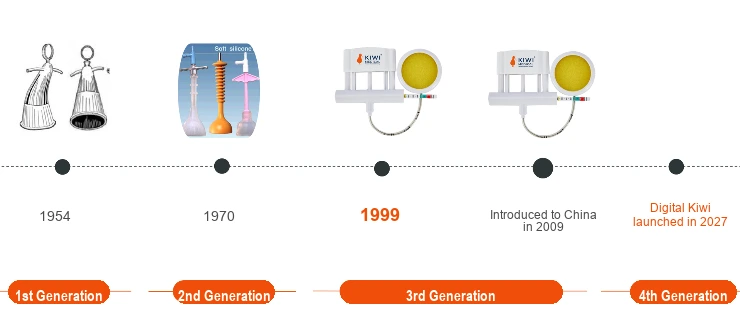
Timeline of vacuum extraction technology from 1954 to 2027


From the 1954 horn-shaped vacuum cup, to the 1999 Kiwi® disposable system, to the upcoming 2027 digital vacuum extractor: technological progress safeguards the future of assisted delivery.
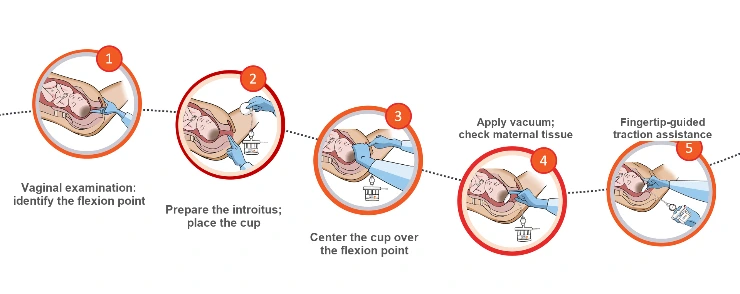
The  Kiwi® 5-Step Technique

We are dedicated to continuously improving our training methodologies, enabling users to better and more rapidly master the operational techniques of the Kiwi® disposable vacuum extractor.

Leveraging deep clinical insights into the traditional Kiwi® 5-step procedure, our team has innovated a superior operation methodology for the Kiwi® disposable vacuum delivery system, maximizing maternal-fetal safety while delivering an intuitive user experience for obstetricians.The Kiwi 5-step vacuum-assisted delivery techniqueThrough our professional training, clinicians can rapidly master the operational techniques of the Kiwi® Omni 5015G series disposable vacuum extractor. Repeated practice on the birth simulator enables them to swiftly build surgical confidence and accumulate the necessary experience for independent practice.
Conference Workshops & Departmental Training

We are dedicated to continuously improving our training methodologies, enabling users to better and more rapidly master the operational techniques of the Kiwi® disposable vacuum extractor.

Our medical support team provides 24/7 round-the-clock advisory services on Kiwi® assisted delivery technology for clinicians. We offer pre- and post-operative clinical consultations and experience debriefs, enabling doctors to master Kiwi® delivery skills more rapidly.

Furthermore, we provide comprehensive workshop support for medical conferences, delivering professional birth simulators, training-dedicated Kiwi® Omni 5015G series vacuum extractors, and expert training facilitation.


Clinical Literature


Key Literature

Since its commercial launch in 1999, numerous medical institutions worldwide have conducted extensive clinical trials evaluating Kiwi® assisted delivery technology. Among these, the 2008 study from Dalhousie University Hospital in Canada is highly representative.

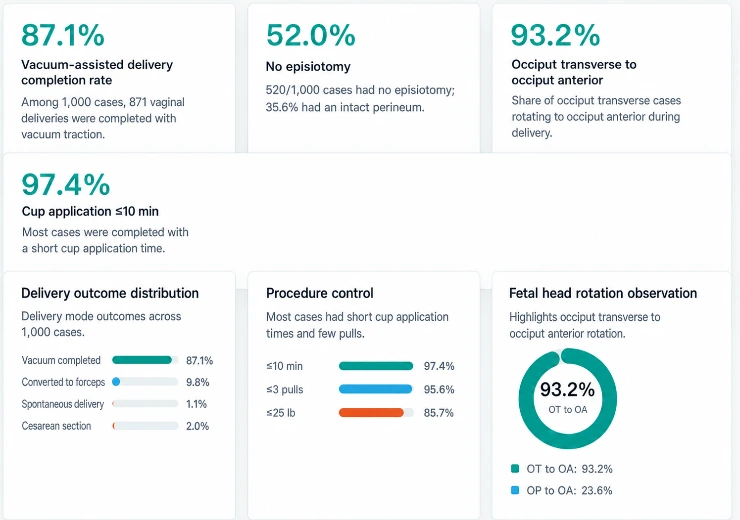
In 2008, Dalhousie University Hospital in Canada published a prospective clinical study encompassing 1,000 Kiwi® vacuum-assisted delivery cases, with the following outcomes:Utilizing the 'Kiwi® Disposable Vacuum Extractor':

  1. 87.1% of deliveries were successfully completed via vacuum assistance.
  2. 52.0% required no episiotomy, among which 35.6% achieved an intact perineum.
  3. 93.2% of occiput transverse (OT) positions were successfully rotated to occiput anterior (OA).
  4. 97.4% of the assisted deliveries were completed within 10 minutes.

For full details, please refer to the charts below or the original ScienceDirect Publication.

Kiwi conference workshop and departmental training session


Baskett TF, Fanning CA, Young DC. A prospective observational study of 1000 vacuum assisted deliveries with the OmniCup device. J Obstet Gynaecol Can. 2008;30(7):573-580


Selected Chinese Literature

Since its market introduction in China in 2009, many domestic experts have shown keen interest in the 'Kiwi® Disposable Vacuum Extractor' and have conducted a substantial body of clinical research.

Since 2015, numerous domestic experts have conducted extensive research on the 'Kiwi® Disposable Vacuum Extractor.' Please refer to the following studies.

1、Application of the Kiwi® Omni Vacuum Extractor in Operative Vaginal Delivery

Qingqing Wang, Xiaoyi Bai, Hongying Hou

Department of Obstetrics, The Third Affiliated Hospital of Sun Yat-sen University

Literature Original Text

2、Efficacy and Satisfaction Analysis of Kiwi® Vacuum Extractor in Assisted Childbirth

Jin'e Xu*, Yingqin Wu, Liya He

Department of Obstetrics, Suqian Hospital of Nanjing Drum Tower Hospital Group

Literature Original Text

3、Application of the Kiwi® Vacuum Extractor in the Labor Stages of Primiparas with Indications for Vaginal Delivery

Jing Luo, Lianmei Li, Yan Huang*

Department of Obstetrics, The Second Affiliated Hospital of Guangxi Medical University

Literature Original Text

4、Analysis of the Impact of the Disposable Vacuum Extractor on Reducing Cesarean Section Rates in Assisted Delivery

Cuiyi He, Yanhong He, Xiaofu Wang, Zhiqun Huang, Guowei Huang

Shunde Hospital of Jinan University

Literature Original Text


Medical Textbooks

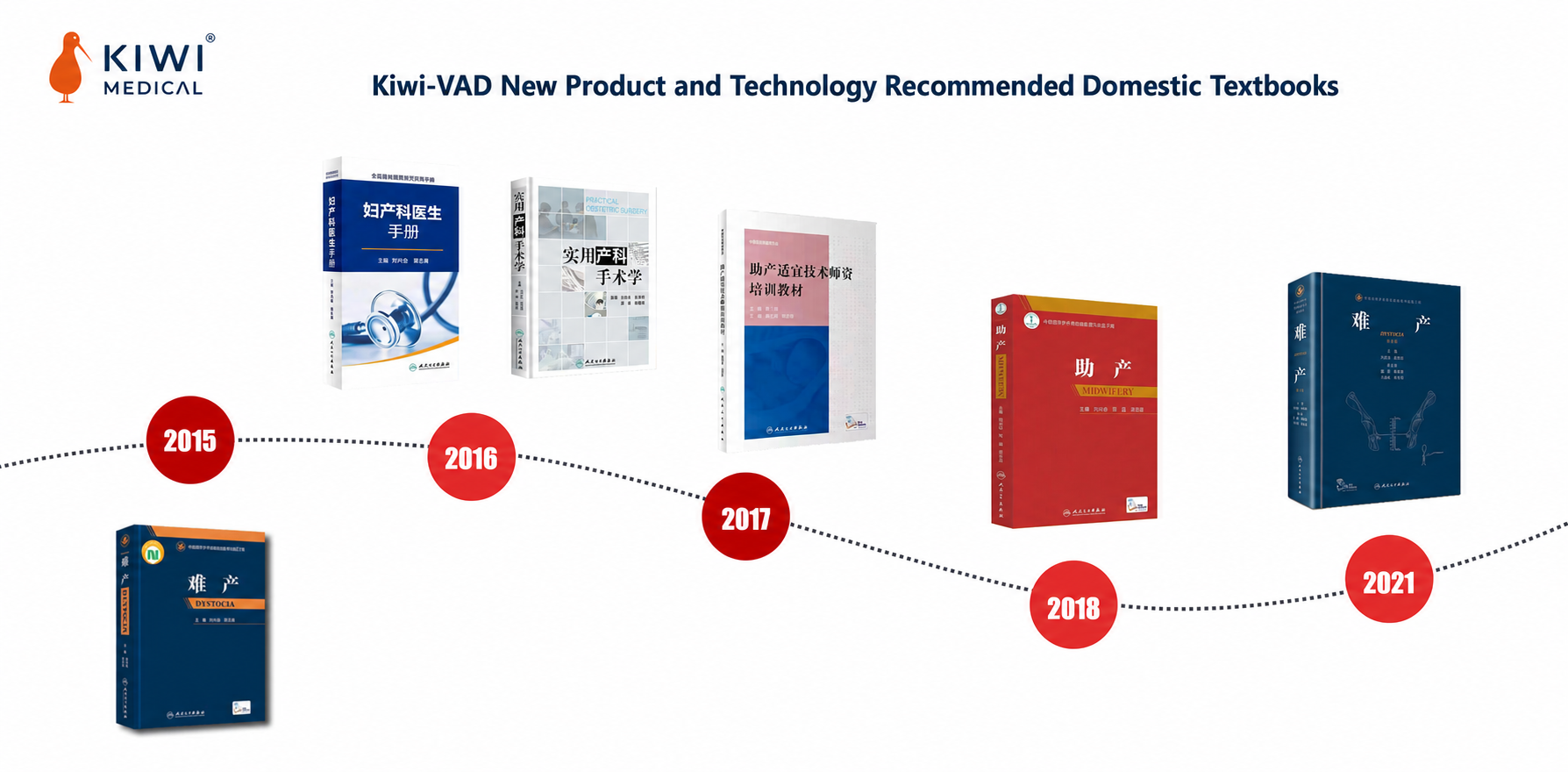
Since 2015, alongside the widespread adoption of the 'Kiwi® Disposable Vacuum Extractor,' the standardized operational methodology of the Kiwi® system has officially been incorporated into medical textbooks for vacuum-assisted delivery training in China.

Clinical outcome charts from the 1000-case Kiwi vacuum delivery study

The medical and obstetric textbooks that officially adopt the "Kiwi® Disposable Vacuum Extractor" as the standard training curriculum include:

2015 Dystocia, edited by Professors Xinghui Liu and Hongbo Qi

2016 Obstetrician and Gynecologist Manual, edited by Professors Xinghui Liu and Zhiqing Liang

2016 Practical Obstetric Surgery, edited by Professors Xinghui Liu, Xianming Xu, Tao Duan, and Huixia Yang

2017 Training Manual for Midwifery Appropriate Technology Instructors, edited by Professors Ruyan Pang and Yanyan Ma

2018 Midwifery, edited by Professors Xinghui Liu, Jing He, and Hongbo Qi

2021 Dystocia (Second Edition), edited by Professors Xinghui Liu and Hongbo Qi